The Hairy Dog: listen beyond the volume
The Hairy Dog, at 1 Becket Street, Derby DE1 1HT, publishes its current alternative music programme and ticket links on its own website. Check the individual event rather than assuming that every night has the same format or admission arrangements. Its venue FAQ also provides access information; contact the team about your requirements before booking.
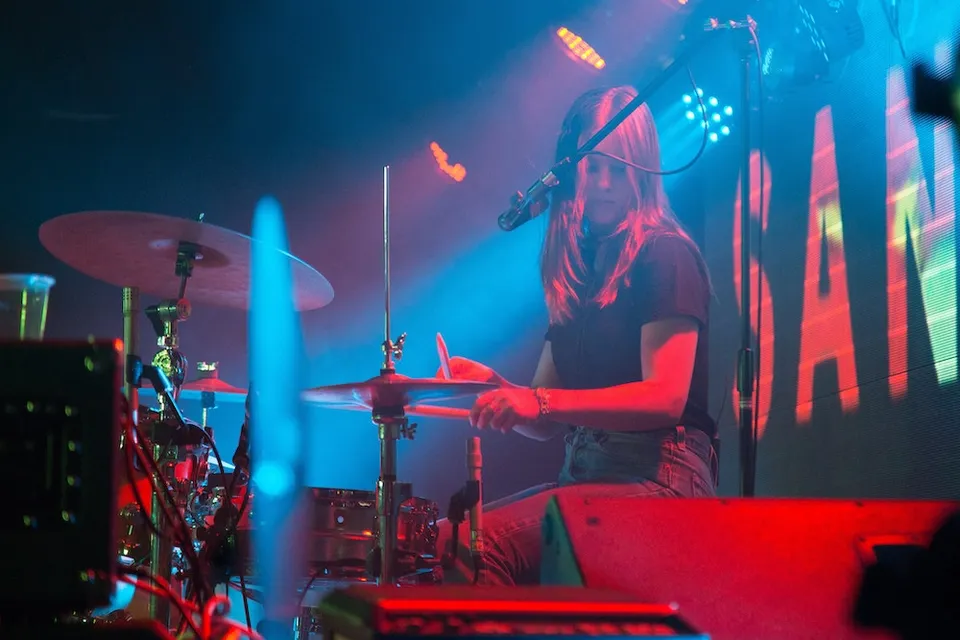
At a rock performance, concentrate on the relationship between the kick drum and bass guitar. Do they play together on every note, or does one leave space for the other? Notice whether the drummer changes the cymbal sound when a chorus arrives. A forceful performance often depends on clear choices and consistent timing. You can learn from those decisions without trying to copy the volume or speed.
Dubrek: discover musicians in a smaller setting
Dubrek Studios combines recording and rehearsal facilities with a performance venue, gallery, kitchen and bar at 67 Bridge Street, Derby DE1 3LB. Its programme is a useful starting point for exploring music beyond artists you already follow. Confirm the event details and ticket arrangements directly.
In a smaller room, watch how the players signal beginnings, pauses and endings. A glance, a count-in or a repeated phrase may be all the communication a band needs. Listen for changes beneath the singer rather than watching only the most elaborate fills. Try remembering one transition that made the arrangement easy to follow. Afterwards, describe it in ordinary words before attempting to write out the rhythm.
Vaillant Live: hear a larger arrangement
Vaillant Live offers another way to explore Derby’s concert programme. Its official website has event, travel, ticketing and accessibility information. Read the conditions for the particular show, including seated or standing arrangements and age restrictions. A large venue’s general information does not override an individual event’s rules, and booking through the venue’s links helps you identify the intended ticket seller.
With a larger stage, you may hear backing tracks, extra percussion or a broader arrangement around the drum kit. Ask yourself which sounds the drummer is playing and which may come from elsewhere. Do not assume that a recorded production must be recreated by one person. Focus on how the band keeps the song’s pulse and shape clear even when many sounds are present.
Choose a show that suits the student
Before buying tickets, check the music, door time, transport home and whether an adult needs to accompany a younger listener. Ask about seating or a suitable viewing position if those affect your visit. Choose a performance you would enjoy even without a technical exercise attached. Interest makes it easier to listen closely, whereas a long evening of unfamiliar music may be too much for a first visit.
Consider suitable hearing protection and give yourself space from loud speakers. You do not need to stand at the front to learn. A place where you can hear the band’s balance may reveal more than a close view of the drummer’s hands. Respect photography and recording rules, and avoid blocking another audience member’s view while trying to capture a technique on your phone.
Use one listening question at a time
A useful first question is: how do I know the chorus has started? Listen for a change of cymbal, a stronger backbeat, a fill or a deliberate pause. On another song, follow the endings instead. Does everyone stop together, let the final chord ring, or repeat a figure? Looking for one feature gives your attention a clear job without turning an enjoyable gig into an examination.
You can also follow a song without playing anything. Count a short section quietly in your head and notice when the phrase repeats. If you lose your place, listen for the vocal or bass line to find it again. These are the same listening skills that help in a rehearsal. The drummer’s role includes understanding the arrangement, not simply keeping their own pattern going regardless of the band.
Turn a live idea into a practice exercise
After the show, write down one moment you remember and the reason it worked. At your next practice, play a familiar groove for three bars, then use the fourth to prepare a change. Try one version with a short fill and another with no fill, only a different cymbal sound. Record both and listen for which makes the transition clearer. Keep the tempo comfortable enough to land the next beat reliably.
Our guide to Derby-connected bands offers more listening starting points. If you would like help understanding a particular passage, bring its title and a short time reference to a drum lesson. When you are ready to try the idea with other musicians, the rehearsal guide explains how to prepare a useful first session. A small musical experiment can make a live performance part of your progress.