Dubrek Studios: rehearsal and recording in Derby
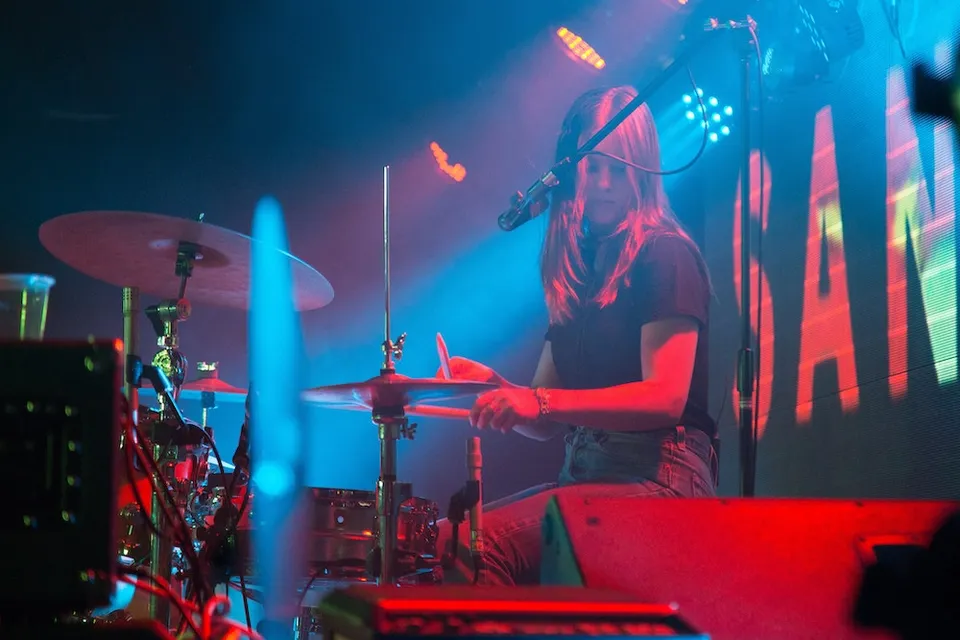
Dubrek Studios is at 67 Bridge Street, Derby DE1 3LB. It advertises recording services and four rehearsal spaces with different capacities and equipment. Published room lists include drum kits, hardware, pedals and stools; cymbal hire is listed separately. Check your chosen room’s current contents and the complete quote before booking.
Explain whether you are booking solo drum practice, a full band rehearsal or a recording session. Ask which items you should bring, including sticks, cymbals or a preferred snare. Dubrek describes ground-floor accessibility on its website, but contact the team about any particular access or setup requirements. A clear conversation beforehand is more useful than discovering on arrival that an essential item or arrangement was assumed rather than confirmed.
Sound-Hub: a nearby option in Belper
Sound-Hub Studios is in Belper, Derbyshire, rather than Derby city centre. Its website lists 7 King Street, Belper DE56 1PS and describes recording, production and rehearsal facilities. Its rehearsal page lists two rooms with a PA, drum kit, guitar and bass amps and vocal monitors. Confirm which equipment you should bring. Ask directly about current availability, room specification and prices instead of assuming every room has identical provision.
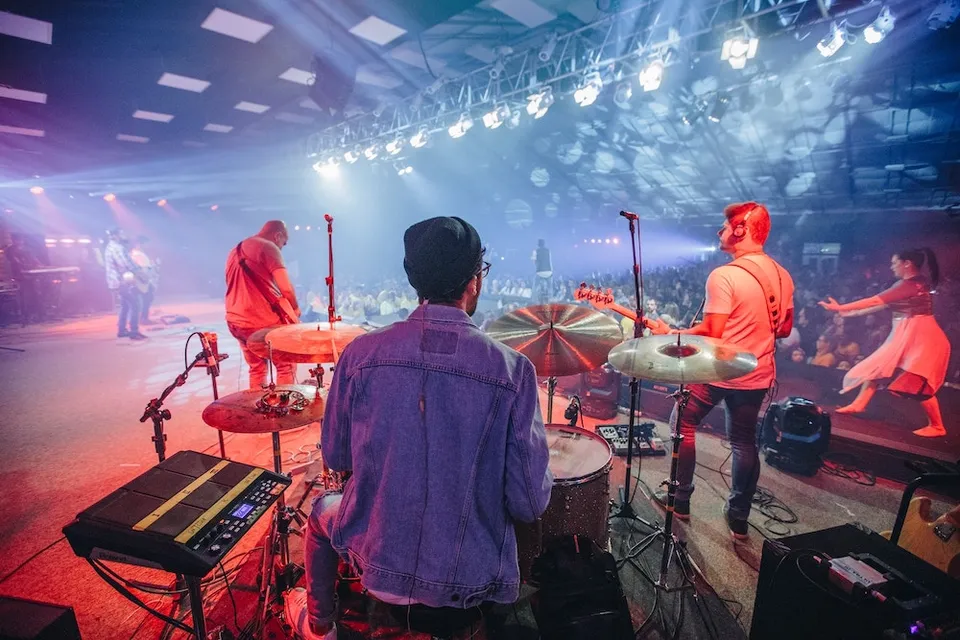
Include the journey and equipment transport when comparing it with a city-centre room. For a band, agree how everyone will get there and who is bringing shared items. Ask about loading, parking and access before deciding how much equipment to bring. If you want to practise alone, say so: the best room and booking arrangement for a drummer may differ from the needs of a full group.
Make the equipment list explicit
A room described as equipped may still expect you to supply certain items. Confirm the snare, cymbals, kick pedal, stool and stands, along with any hire charges. Bring your sticks and a drum key, and ask before changing a kit’s configuration or tuning. If you rely on a particular pedal or left-handed arrangement, mention it when booking so setup time can be planned sensibly.
For rehearsing with backing tracks, find out how a phone or computer connects to the room’s system and whether you need a cable or adapter. Download permitted material beforehand rather than relying on mobile reception. Agree a sensible sound level with the other musicians so you can hear vocals and instructions. More volume will not resolve a confusing arrangement; stopping to agree the part often will.
Plan a rehearsal around a clear outcome
Choose two or three tasks before arriving. For solo practice, these might be a steady groove, a transition and one complete song. For a band, identify the sections that need attention and agree which recording or arrangement you are using. Leave time to set up and pack away within the booking. A room hire is most useful when the session has a purpose beyond playing whatever comes to mind.
Start with something familiar to check the kit and sound balance. Work on a difficult section slowly, then put it back into context. Finish with a complete run-through if time allows. Make brief notes about what improved and what remains uncertain. Our drum lessons can help turn that remaining difficulty into a manageable exercise, so the next rehearsal begins with a clearer plan.
Prepare differently for a recording session
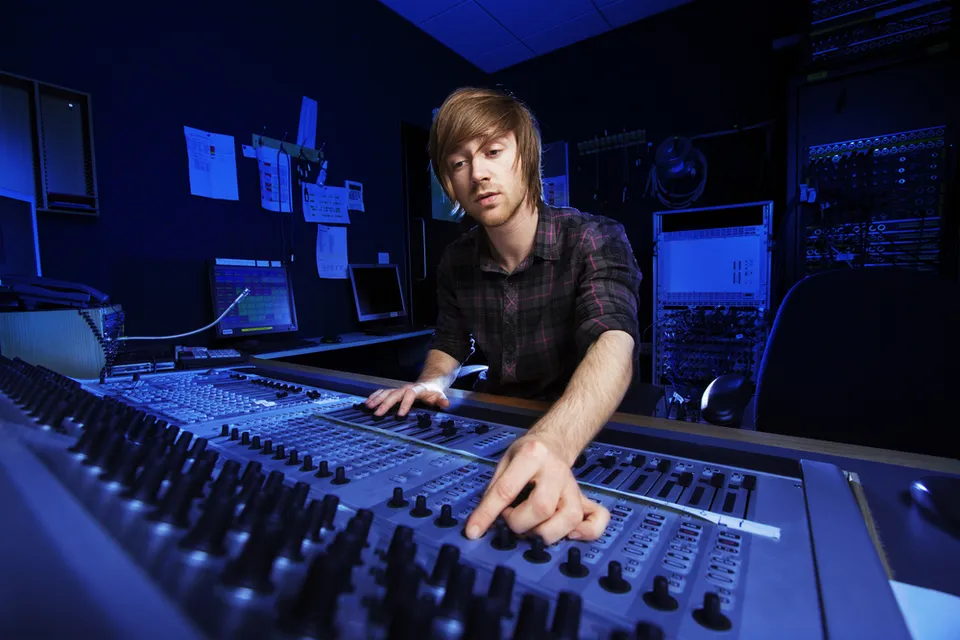
Recording adds decisions about sound, takes and editing to the musical performance. Send the engineer an outline of the project and ask what preparation will help. Agree whether you will play with the other musicians, a guide track or a click. If a click is required, practise with it beforehand and check the chosen tempos. Do not spend the booked session discovering that an arrangement has not been settled.
Discuss what the quote includes: setup, recording, editing, mixing, revisions and delivery of files can be separate stages. Ask how you will receive the finished work and how long session files are retained. These questions prevent avoidable misunderstandings without requiring you to become a recording expert. Bring spare sticks and any agreed equipment, arrive prepared and allow the engineer time to check the drum sound before the first take.
Review the result and choose the next step
Listen back for musical priorities: steady sections, clear beginnings and endings, and a balance that supports the song. Make one or two specific notes instead of labelling a whole performance good or bad. If you rushed a fill, isolate the transition; if the band lost its place, improve the structure sheet. Recording is useful as feedback even when the result is not intended for public release.
Confirm the booking details with the provider and keep the equipment list alongside your rehearsal plan. For equipment questions, see the Derby drum shopping guide; for ideas about playing with a group, explore Derby-connected bands. A focused rehearsal and a small follow-up task can make each visit part of sustained progress.